
How Can I Make a Casserole Ahead of Time Without It Getting Watery or Soggy?
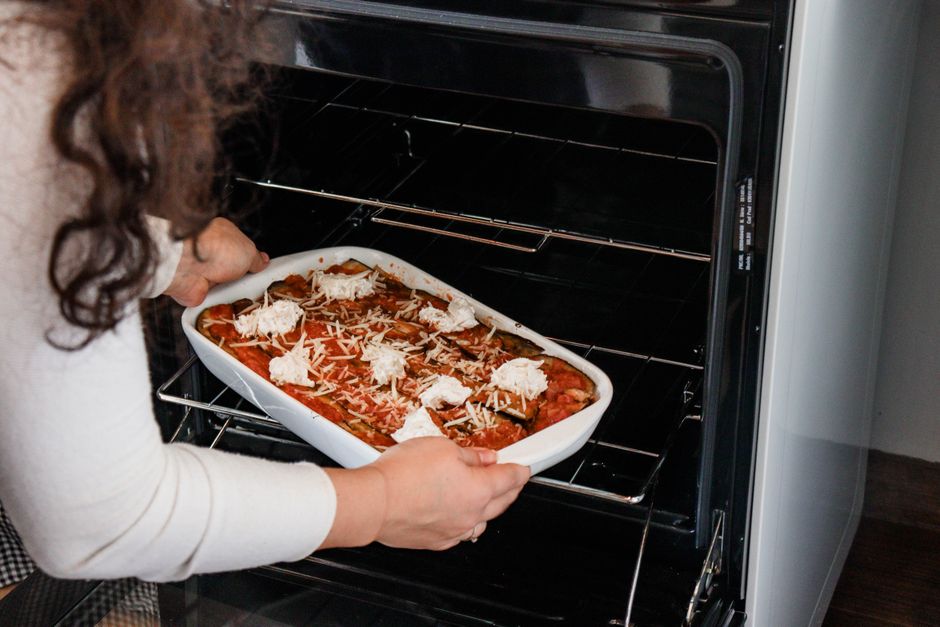
Yes: assemble a casserole ahead only after controlling moisture, using cooked or slightly undercooked starches as appropriate, and refrigerating it promptly at 40°F or below. Keep crisp toppings separate until late in baking, drain vegetables thoroughly, and use a food thermometer for safe doneness. The recurring failures are not mysterious; they come from trapped water, overcooked starch, and steam.
Can I assemble a casserole the night before and bake it the next day?
Yes, provided the assembled casserole is refrigerated promptly and held at 40°F (4°C) or below. The USDA Food Safety and Inspection Service directs cooks to refrigerate perishable food within 2 hours of preparation, or within 1 hour when the temperature is above 90°F (32°C). The temperature rule matters more than the calendar label: bacteria grow rapidly between 40°F and 140°F.
The reliable sequence is simple: prepare the components, cool hot fillings promptly rather than sealing their heat into a deep dish, assemble, cover, and refrigerate. USDA specifically advises, “Place food into shallow containers and immediately put in the refrigerator or freezer for rapid cooling.” A casserole pan is not automatically a shallow cooling container, so separating a large cooked filling before assembly can reduce the time it remains warm in the middle.
Food safety and texture are related but not identical problems. A casserole can be safely refrigerated and still bake poorly if vegetables, sauce, and starch all contribute excess water. Build the dish in stages: drain vegetables, use the measured sauce as the intended liquid, and reserve the dry topping. That is the difference between a make-ahead plan and a covered pan of ingredients waiting to steam one another.
| Component or stage | Practical treatment | Why it matters |
|---|---|---|
| Thawed frozen vegetables | Thaw and drain before assembly | University of Minnesota Extension specifies thawed and drained frozen vegetables in its casserole formula. |
| Canned vegetables | Drain before assembly | Draining prevents canned packing liquid from becoming unintended sauce. |
| Cooked filling | Cool quickly in shallow containers before refrigeration or freezing | USDA identifies shallow containers as the route to rapid cooling. |
| Perishable assembled casserole | Refrigerate within 2 hours, or within 1 hour above 90°F | These are USDA time limits for perishable food. |
| Crisp topping | Hold back until the final uncovered bake | It avoids prolonged exposure to steam under the cover. |
Why is my make-ahead casserole watery after baking?
A make-ahead casserole is watery because its ingredients release more liquid during standing and baking than the starches and sauce can absorb. The practical diagnosis begins with the ingredients that arrive wet: thawed frozen vegetables, canned vegetables, and components that were cooled in their own accumulated liquid. The University of Minnesota Extension casserole formula calls explicitly for drained frozen or canned vegetables and uses 2 cups of sauce with 2 cups of cooked pasta, rice, or potatoes. That is a useful starting proportion, not a reason to pour in every liquid left in a bowl.
Dairy and freezing add a separate failure mode. Oregon State University Extension reports that milk sauces and gravies can curdle or separate after freezing, while sour cream can separate and become watery after thawing. If the casserole will be frozen, a sauce that appears thick before freezing may not behave the same after it returns to the oven.
Vegetables, dairy, and sauce are the moisture side of the equation. Starch is the receiving side. When pasta or rice has already absorbed all it can during a full cook, then sits overnight in sauce and bakes again, it does not reliably rescue extra liquid; instead, it can become soft while the dish remains loose. A watery casserole is therefore usually an assembly error, not something a longer uncovered bake can fully correct.
Use this troubleshooting chart before changing the oven time. It separates the symptom from the cause that the supplied food-science guidance actually supports.
| Symptom | Likely assembly problem | Correction for the next batch |
|---|---|---|
| Watery filling | Undrained thawed or canned vegetables; separating dairy after freezing | Drain vegetables; reconsider sour cream or a freeze-sensitive milk sauce in a frozen casserole. |
| Mushy pasta or rice | Fully cooked starch is held and reheated, especially after freezing | For a casserole baked soon, use the cooked starch in the recipe formula; for freezing, slightly undercook foods that will be reheated. |
| Soft, mealy potatoes after freezing | Cooked potatoes freeze poorly in combination dishes | Omit potatoes from casseroles intended for freezing, as Oregon State University Extension recommends. |
| Soggy top | Crumbs, cheese, or fried onions spent the covered bake absorbing steam | Add the topping after the covered bake, then finish uncovered. |
| Undercooked center | The casserole has not reached the required internal temperature | Use a food thermometer; chicken or turkey casseroles require 165°F and egg dishes require 160°F. |
Should I cook pasta before assembling a casserole?
For the basic casserole format described by the University of Minnesota Extension, cook the pasta before assembling the dish. Its formula begins with 2 cups of cooked pasta, cooked rice, or cooked potatoes, then combines that starch with 2 cups of sauce and other drained ingredients. This approach makes the liquid budget visible: the sauce is serving the casserole rather than being asked to cook a dry starch from an unspecified amount of moisture.
Freezing changes the instruction from fully cooked to deliberately restrained. Oregon State University Extension advises that foods to be frozen should be slightly undercooked if they will be reheated. That is not culinary fussiness. It accounts for the second heating cycle, which otherwise pushes vegetables and starches beyond their useful texture.
The same source draws a sharper boundary around potatoes: omit them from combination dishes and casseroles intended for freezing. Its companion quality guide notes that cooked macaroni, spaghetti, and rice frozen alone can become mushy and taste warmed over, while cooked potatoes can become soft, crumbly, water-logged, and mealy. The data has a clear implication: freezer suitability is not a blanket property of “casserole.” It belongs to each component.
For a casserole baked the next day, use the cooked starch specified by the recipe and avoid adding unmeasured water from vegetables. For a casserole headed to the freezer, undercook the reheated components slightly, omit potatoes, and keep toppings separate. Those choices preserve texture without asking the final bake to undo decisions made the day before.
Frequently Asked Questions
How do I keep breadcrumb or fried-onion toppings crisp?
Keep crisp toppings off the casserole during the covered portion of baking, then add them for the final uncovered bake. The University of Minnesota Extension recipe adds topping after 50 to 60 minutes of covered baking and returns the casserole to the oven uncovered for 10 minutes. Oregon State University Extension also identifies cheese or crumb toppings on frozen casseroles as becoming soggy, so freezing the topping with the dish works against crispness.
Can I freeze an unbaked casserole?
You can freeze a prepared casserole only after cooling it quickly and keeping the freezer at 0°F or below. Oregon State University Extension advises slightly undercooking foods that will be reheated and omitting potatoes from combination dishes intended for freezing; it also identifies several texture risks, including soggy toppings and watery sour cream after thawing. Freeze for quality, not as a repair for a casserole that was already wet at assembly.
How long can an assembled casserole stay in the refrigerator?
The supplied federal guidance does not give a separate storage limit for an unbaked assembled casserole. It does require perishable food to be refrigerated at 40°F or below within 2 hours of preparation, or within 1 hour above 90°F; published guidance for cooked casserole leftovers is 3 to 4 days. Treat that leftover range as guidance for baked food, not an automatic allowance for every unbaked recipe.
Conclusion
The efficient make-ahead casserole is built around a constraint: water must be intentional. Drain the ingredients that carry surplus liquid, use cooked starches when the formula calls for them, and reserve components whose value depends on dryness. Then manage temperature with the same discipline. Refrigerate promptly, freeze at 0°F or below when freezing is the plan, and verify safe internal temperatures rather than trusting the appearance of the center.
For frozen dishes, the quality window is distinct from safety. FoodSafety.gov states that food continuously frozen at 0°F (-18°C) or below can be kept indefinitely for safety, while freezer recommendations protect quality. That distinction explains the entire method: advance preparation is useful only when the casserole remains safe and still eats like the dish intended.
Sources
- USDA Food Safety and Inspection Service: Steps to Keep Food Safe
- USDA Food Safety and Inspection Service: Leftovers and Food Safety
- Oregon State University Extension: Freezing Convenience Foods You Have Prepared at Home
- Oregon State University Extension: Foods That Do Not Freeze Well
- University of Minnesota Extension: Feeding Your Family With a Food Support Box
- FoodSafety.gov: Cold Food Storage Charts