
What Should Vancouver Renters Know About a BC Tenancy Agreement?
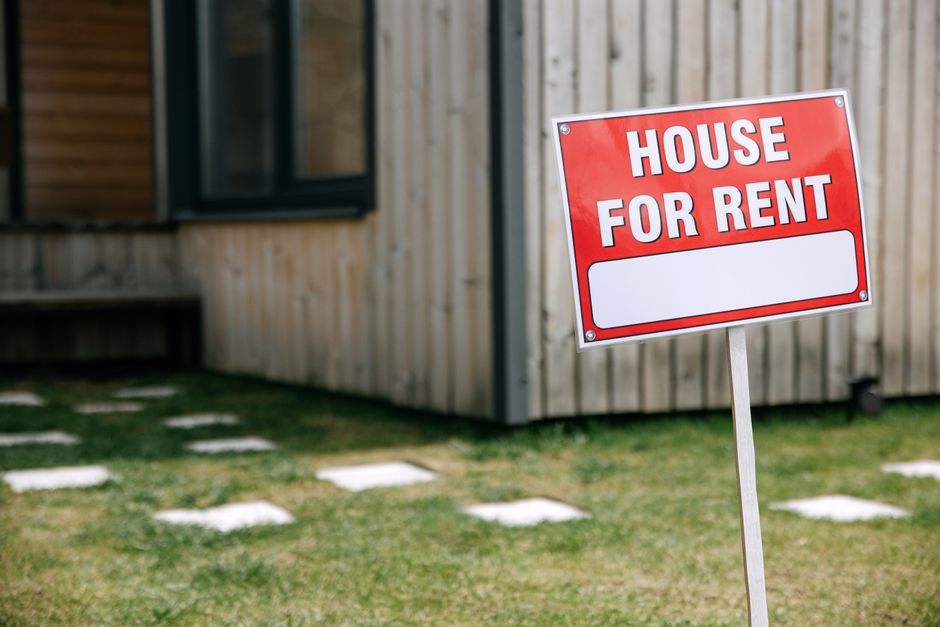
A BC tenancy agreement should clearly identify the landlord, renter, rental address, dates, rent and due date, included services, and deposits. Before signing, confirm utilities, parking, storage, and laundry in writing. A security deposit is capped at half a month’s rent, and rent increases generally require an approved written notice, three full months’ notice, and compliance with the annual limit.
What must be included in a BC rental agreement?
A BC rental agreement must set out the standard terms, the parties’ legal names, rental address, tenancy dates, rent and due date, included services and facilities, and deposit amounts and payment dates. Those requirements come from section 13 of the Residential Tenancy Act. The agreement is the working record of what you are paying for, so vague promises are a problem before they become a dispute.
The Residential Tenancy Branch (RTB) says landlords must prepare a written agreement for every tenancy, and both parties must sign and date it. The landlord must give the renter a copy of the signed agreement within 21 days. The RTB’s RTB-1 agreement form provides a practical checklist, including rent, due date, utilities, parking, storage, and laundry.
Use the checklist as a line-by-line confirmation, not as a memory test after move-in. Check the amount and frequency of rent, when it is due, who pays each utility, and whether services such as internet, parking, or laundry are included. If a service is included, the RTB-1 says a landlord cannot take it away or charge extra for it unless a reduction is made under the Act.
- Rent: Confirm the amount, due date, and payment terms.
- Services: Mark each included utility or facility explicitly. “Utilities included” is less clear than naming what the agreement includes.
- Deposits: Record the amount and payment date for each deposit.
- Changes: Have any additions or changes agreed to in writing and initialed by both parties.
Keep your signed copy. If the agreement leaves a service blank or describes it ambiguously, ask for the wording to be clarified in writing before signing. That small edit can prevent a larger disagreement about what the rent covers.
How much can a Vancouver landlord charge for a security deposit?
A landlord can charge a security deposit of no more than half of the first month’s rent, according to the RTB’s tenancy deposits and fees guidance. For example, the RTB gives a $1,500 monthly rent example with a maximum security deposit of $750. The cap is based on the first month’s rent, not an amount negotiated separately.
A pet damage deposit may also be charged, capped at half of one month’s rent. With both a security deposit and a pet damage deposit, the total can therefore reach one month’s rent. These are separate deposits with separate limits; a pet deposit does not raise the permitted security deposit amount.
| Item | BC rule | Source year |
|---|---|---|
| Security deposit | Up to half of the first month’s rent | RTB guidance, 2026 |
| Pet damage deposit | Up to half of one month’s rent | RTB guidance, 2026 |
| Return or application to keep deposit | Generally within 15 days after receiving the renter’s forwarding address in writing | RTB guidance, 2026 |
Protect the record at both ends of the tenancy. The RTB recommends completing move-in and move-out condition inspections and keeping proof of deposit payments. After the landlord receives a forwarding address in writing, the general deadline is 15 days to return the deposit or apply to the RTB to keep some or all of it. If the landlord does neither, the RTB may order payment of double the deposit.
How much notice does a landlord need to give for a rent increase in BC?
A landlord must give at least three full months’ written notice of a rent increase and use the approved RTB-7 form, according to the RTB’s rent-increase guidance. Rent can generally increase only once every 12 months, and the increase must stay within the applicable annual limit unless an exception is approved or the tenant agrees in writing.
The RTB lists the 2026 annual limit as 2.3% and the 2027 limit as 2.2%. These are year-specific limits: check the applicable year rather than assuming a previous cap still applies. For a proposed increase, verify three things together—the notice form, the delivery timing, and the permitted percentage. A letter that gives a new rent amount is not, by itself, proof that all requirements have been met.
Utilities and other fees have a separate rule. The RTB says they can only be increased with the tenant’s agreement, and renters can request a copy of the bill before paying. If a landlord proposes a new charge, identify whether it is a rent increase or a separate utility or service fee, then compare it with the written agreement and the relevant RTB rule.
Frequently Asked Questions
Does the Residential Tenancy Act cover an illegal or unregistered basement suite?
It may. The RTB says suite compliance with local bylaws or zoning does not by itself determine whether the Act applies; the Act may cover an unauthorized or illegal suite if a tenancy can be established. It does not apply when the tenant shares kitchen or bathroom facilities with the owner. If coverage is disputed, a landlord or tenant can apply to the RTB, where an arbitrator determines whether the branch has jurisdiction.
How do I make sure utilities, parking, and laundry are included in my lease?
Ask for every included item to be checked or written into the agreement before signing. The RTB-1 form has a checklist for services and facilities, including utilities, parking, storage, and laundry. Have written additions or changes agreed to and initialed by both parties, then keep a copy of the completed agreement.
Sources
- Residential Tenancy Branch, Province of British Columbia — Tenancy agreements
- Residential Tenancy Branch, Province of British Columbia — Tenancy deposits and fees
- Residential Tenancy Branch, Province of British Columbia — Rent increases
- Residential Tenancy Branch, Province of British Columbia — Types of rental housing situations
- Residential Tenancy Branch, Province of British Columbia — Residential Tenancy Agreement (RTB-1)
- British Columbia Laws — Residential Tenancy Act
Disclaimer: This article is for general information only and is not financial advice. It does not take your personal circumstances into account, and past performance does not predict future results. Speak to a licensed financial professional before making money decisions.
Related guides
How Can Georgia Homebuyers Evaluate HOA Fees, Rules, and Finances?
Review Georgia HOA documents, fees, rules, reserves, and assessment authority before buying so you can spot costs and restrictions early.
How can I find and verify a house for rent near me?
A practical checklist for checking rental listings, verifying a landlord or agent, and protecting your money before you pay.
What Can I Do If My Apartment Application Was Denied Because of a Tenant-Screening Report?
Learn how to request and dispute a tenant-screening report after a rental denial, higher rent, larger deposit, or co-signer requirement.

How Do I Apply Online for Senior Housing Apartments?
A practical guide to official senior housing waitlists, application records, status tracking, caregiver support, and scam prevention.