
How Many Canapés Should I Order for an Event?
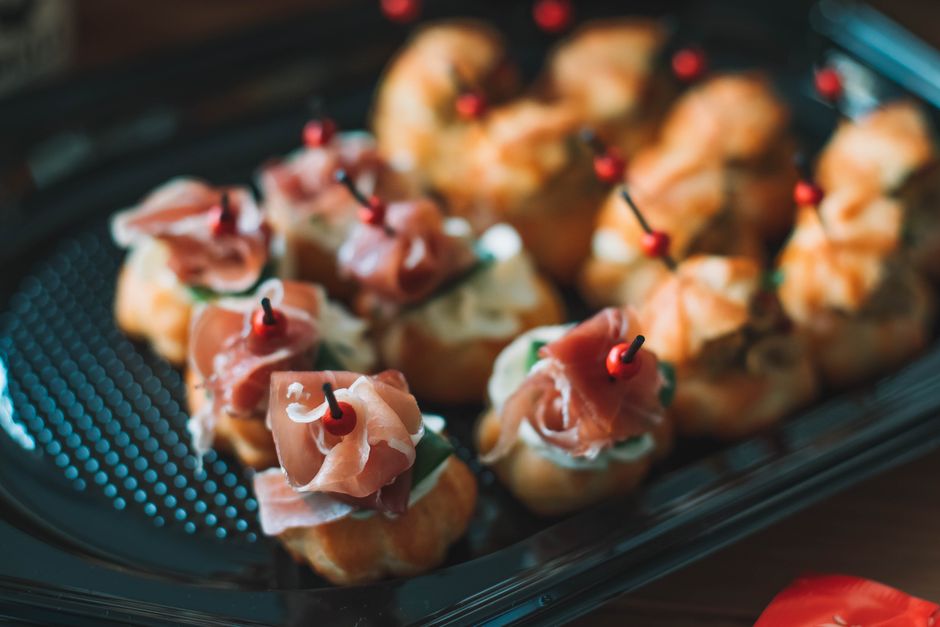
For a one-hour drinks reception before a meal, plan on 4–6 canapés per person; if the bites replace dinner, use a more generous, substantial mix and account for the event’s timing and length. Published guides vary widely—from 4–6 pieces for a 1–2 hour reception without a meal to 14 per person per hour—so choose a consistent guide, then adjust for service style and menu composition.
How many canapés should I order for a one-hour drinks reception?
For a one-hour reception before a meal, order 4–6 pieces per person as a practical starting point. The University of Houston Bauer College of Business Catering Worksheet calls that amount adequate for a pre-meal cocktail hour. This is a deliberately lighter allowance: the canapés bridge guests to dinner rather than serve as dinner.
For example, using that worksheet’s range, a host can multiply the guest count by four and six to establish a planning interval. The lower end suits a brief welcome where a meal follows promptly; the higher end offers a little more coverage without treating the reception as a meal replacement. That distinction matters more than fine-tuning the count by one piece.
Other guides set different expectations for receptions without a meal. Princeton University’s Alumni Association recommends 4–6 pieces per person for a 1–2 hour reception without a meal, while Marquette University Event Services gives 14 appetizers per person per hour for receptions with no meal. These figures are not interchangeable rules: they describe different planning approaches and emphasize the event context. If the event is explicitly dinner-free, do not apply a pre-meal cocktail-hour estimate.
How many pieces per person do I need if canapés are dinner?
If canapés are dinner, plan for substantial food rather than simply multiplying a light cocktail-hour allowance. There is no single count that resolves the difference between a selection of small passed bites and a menu built to replace a meal; the sources show a wide range of recommendations for no-meal receptions.
Marquette recommends 14 appetizers per person per hour for receptions with no meal, compared with 10 over the lunch hour and 6–8 for late-afternoon or late-evening receptions. Princeton recommends 6–8 pieces for a 2–3 hour reception without a meal and 8–10 for a 3–4 hour reception. These different figures make the key planning question plain: define the event’s duration and whether attendees should regard the food as dinner before choosing a number.
Build the menu to satisfy as well as count. The University of Houston worksheet suggests dry snacks, anchor foods such as cheese and vegetables, hot hors d’oeuvres, and dessert and coffee for a dinner-replacement reception. Princeton advises favoring hearty items—mini sandwiches, flatbreads and skewers—over delicate passed bites. Together, these recommendations point to variety with substance: a large total made up entirely of fragile, one-bite nibbles may feel less like dinner than a mix that includes filling anchors.
| Event format | Published planning guidance | How to apply it |
|---|---|---|
| One-hour pre-meal cocktail hour | 4–6 pieces per person | Use as a light bridge before a meal. |
| Reception without a meal, 1–2 hours | 4–6 pieces per person | Princeton’s guide provides a total for this duration. |
| Reception without a meal, 2–3 hours | 6–8 pieces per person | Princeton’s guide increases the total with duration. |
| Reception without a meal, 3–4 hours | 8–10 pieces per person | Favor substantial bites across the longer event. |
| No-meal reception, Marquette hourly guidance | 14 per person per hour | A much higher recommendation; use only when following that guide’s approach. |
How does event length change how much food I should serve?
Longer events generally call for more food, but published estimates do not rise at the same rate. Princeton’s guide moves from 4–6 pieces for 1–2 hours to 6–8 for 2–3 hours and 8–10 for 3–4 hours. Marquette’s guidance instead specifies hourly amounts that depend on timing: 10 over the lunch hour and 6–8 for late-afternoon or late-evening receptions, versus 14 per person per hour when no meal is served.
The University of Houston worksheet offers another useful adjustment for receptions: plan on 5–7 pieces per person per hour plus one or two stationary displays, with fewer pieces in each subsequent hour. The declining hourly count reflects a different model from simply multiplying a fixed hourly number across the whole event. Select one source’s framework rather than combining its most generous numbers with another guide’s totals.
Timing changes what the food is expected to do. A reception before lunch or dinner is a bridge; a reception spanning a meal period has to carry more of the meal burden. The guides’ distinct lunch, late-afternoon and no-meal recommendations make timing a planning variable, not a decorative detail. State clearly in invitations whether a meal will be served so guests can set expectations.
Service style also affects consumption. Marquette notes that guests tend to eat less when food is passed than when it is served buffet-style. That means a passed-only menu and a self-serve spread may not produce the same result even with identical quantities. If choosing passed service, discuss circulation and replenishment with the venue; if choosing a buffet, make each item and its dietary information easy to identify.
Plan dietary needs at the same time as quantities. The International Association of Conference Centres recommends gathering requests early through a structured registration process, coordinating substitutions with the venue, and clearly highlighting dietary and allergen information for both guests and wait staff. Princeton’s guide suggests 35–40% vegetarian appetizers; vegetarian choices may also appeal to guests who eat meat, so these items can serve more than one dietary group.
For buffets in England, Northern Ireland and Wales, the Food Standards Agency says allergen information must be provided for each food and drink item, including non-prepacked food. Information can appear on dish labels or on a visible sign directing guests to staff; the agency recommends written information supported by conversation and attention to cross-contamination. Its guidance covers 14 regulated allergens. Requirements differ by location, so hosts should confirm the applicable rules with their venue.
Ask about vegetarian, vegan, halal and kosher requirements in advance. MIT’s inclusive-event guidance recommends considering these options and advises following up with people who request kosher food, because observance and acceptable certification can vary. A count only helps if the available food works for the people attending.
Frequently Asked Questions
What filling canapés can I include so guests do not leave hungry?
Choose substantial bites such as mini sandwiches, flatbreads and skewers, and combine them with anchor foods such as cheese and vegetables. For a dinner-replacement reception, the University of Houston worksheet also recommends hot hors d’oeuvres, dry snacks, dessert and coffee.
How many vegetarian and vegan canapés should I plan for?
Princeton’s event guide suggests a 35–40% vegetarian appetizer mix, noting that guests who eat meat may choose those items too. Ask attendees about dietary needs early, and consider vegan, halal and kosher options; confirm specific requirements with guests and the venue.
Sources
- University of Houston Bauer College of Business, Catering Worksheet
- Marquette University Alumni Memorial Union Event Services
- Princeton University Alumni Association, Class Event Catering & Drink Guide
- Food Standards Agency, Allergen Guidance for Food Businesses
- IACC, Accommodating Special Diets in Meetings
- MIT Division of Student Life, Welcoming Religious Identities: Inclusive Event Planning
Related guides
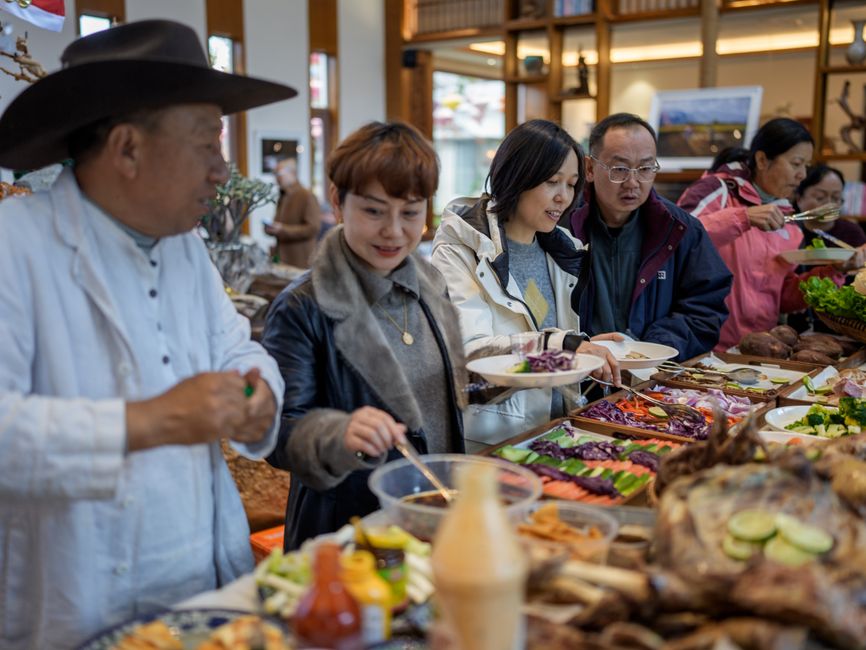
How to Choose a Local Buffet: Reviews, Freshness and Total Cost
Compare buffet reviews, food safety, menu fit and the full group price before you book.
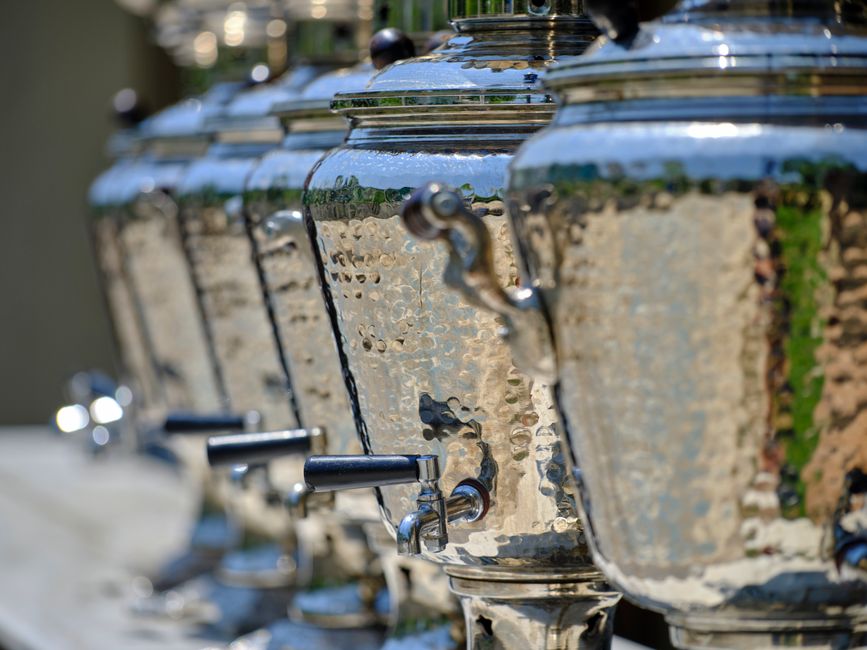
Can a Buffet Safely Accommodate Your Food Allergy or Dietary Restriction?
How to question buffet staff, assess labels and cross-contact risks, and decide when uncertain food or service is not worth the risk.
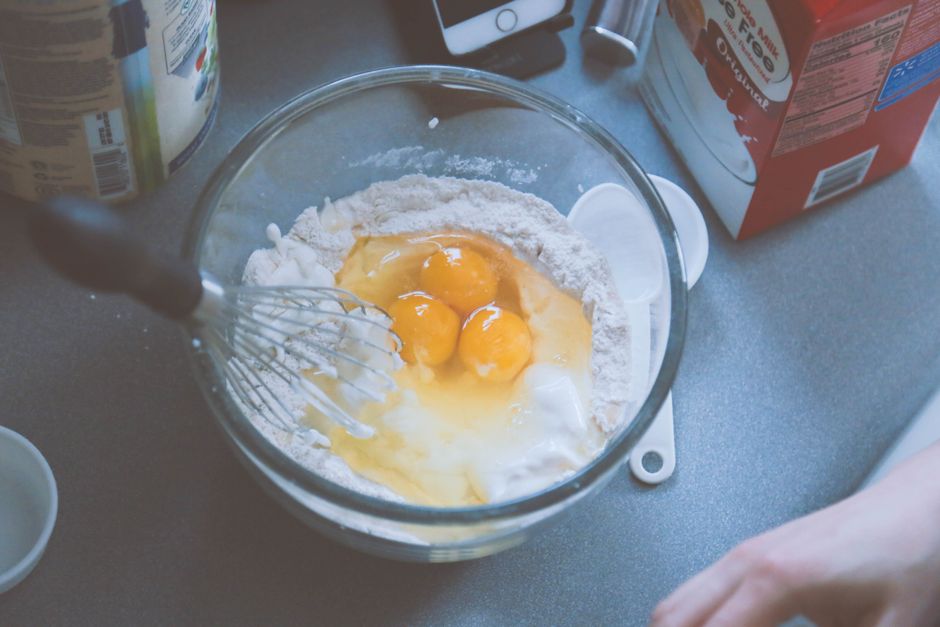
How Do I Make a Make-Ahead Breakfast Casserole for a Crowd?
A practical guide to assembling, baking, freezing, and safely serving a make-ahead breakfast casserole for family or brunch guests.
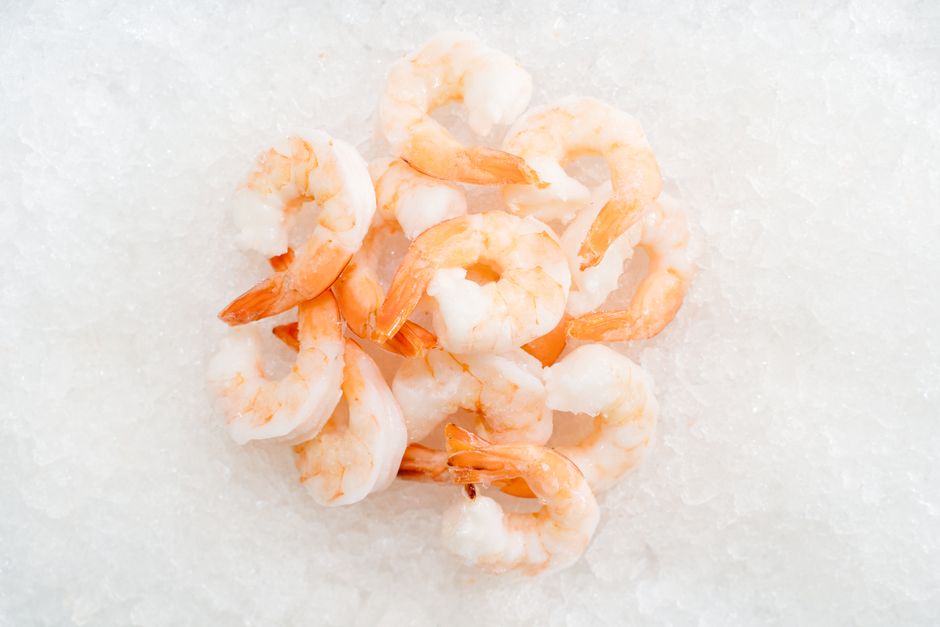
How Do I Cook Frozen Shrimp So It Browns Instead of Turning Watery or Rubbery?
A practical guide to choosing, thawing, drying, seasoning, and cooking frozen shrimp for better browning and tender results.