
How Do I Cook Frozen Shrimp So It Browns Instead of Turning Watery or Rubbery?
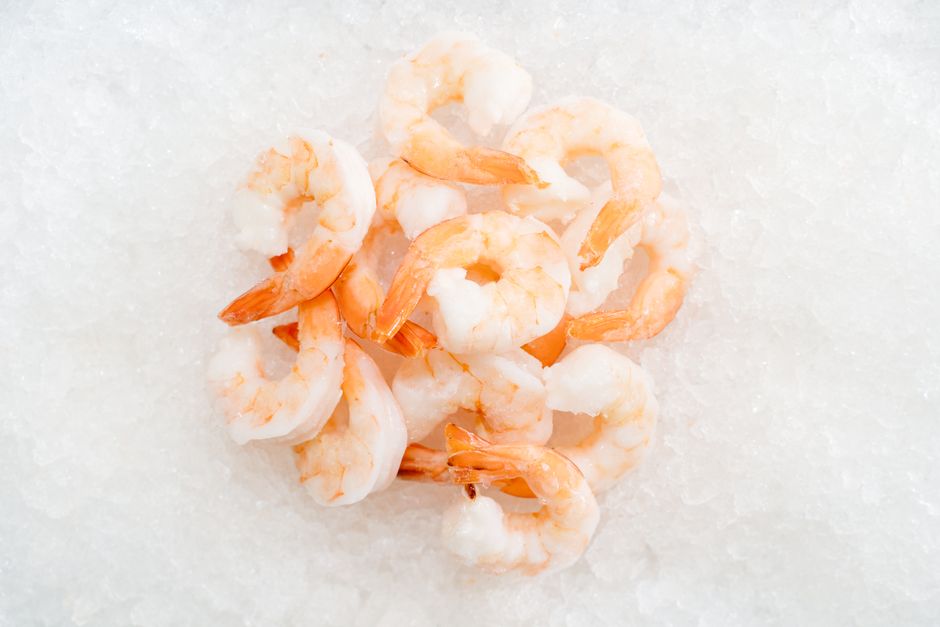
To brown frozen shrimp instead of steaming it or turning it rubbery, choose a sound package, thaw it in the refrigerator or sealed in cold water, then drain and dry it thoroughly before cooking in a hot pan. Season immediately before cooking, use shrimp labeled raw when that is the goal, and stop when the flesh is firm, pearly, and opaque; continued heat toughens it.
The apparent contradiction is simple: shrimp needs enough heat to brown, yet frozen shrimp arrives surrounded by ice and can release moisture as it thaws. Treat those as two separate problems. Food safety determines how it thaws; surface dryness determines whether the skillet browns the shrimp or merely boils the water around it.
Should I thaw frozen shrimp before cooking it?
Yes, thawing before high-heat cooking is the clearest route to well-browned shrimp because it lets you remove the water that would otherwise steam the surface. The Clemson University Home & Garden Information Center recommends gradual refrigerator thawing because it disturbs fewer cells and leaks fewer juices. That matters in a skillet: less escaped liquid means less water to manage before browning can begin.
Start at the store. The U.S. Food and Drug Administration advises avoiding frozen-seafood packages that are open, torn, or crushed. Frost or ice crystals can indicate long storage or a product that thawed and was refrozen. This is not a cosmetic detail; a compromised package gives you more uncertainty before cooking even starts.
Read the label before choosing a method. Shrimp can be sold whole, headless, shell-on, peeled, peeled and deveined, or tail-on, according to the Florida Department of Agriculture and Consumer Services. It may also be raw or already cooked. The label, not the color visible through the bag, is the reliable distinction: the Codex Alimentarius standard requires the product to be designated as raw, partially cooked, or cooked as appropriate.
| What the package tells you | What it changes in the kitchen |
|---|---|
| Raw or cooked | Raw shrimp needs cooking to the proper doneness; cooked shrimp should not be treated as though it needs a full initial cook. |
| Peeled or shell-on | Florida notes that shelled shrimp cooks in about half the time of shell-on shrimp. |
| Count per pound | It signals size: jumbo is fewer than 20 per pound, large is 20 to 30, medium is 30 to 40, and small is more than 40. |
After thawing, drain the shrimp and dry it thoroughly with clean paper towels before seasoning. This is the decisive separation of tasks: thawing solves the ice problem, while drying solves the browning problem. Seasoning a wet surface does not fix the moisture; it simply leaves the pan to do two jobs at once.
How do I thaw shrimp quickly and safely?
Thaw shrimp in the refrigerator overnight, or use cold water when time is short; do not thaw it on the counter. The FDA identifies three safe thawing methods: refrigerator, cold water, and microwave. Room-temperature thawing is unsafe because foodborne-illness bacteria can multiply rapidly, and the FDA warns that organisms can produce toxins that survive cooking.
For refrigerator thawing, place the shrimp in a covered container that can catch any liquid and keep the refrigerator at 40°F or below. The FDA says seafood intended for use within two days should be stored at 40°F or below, while the freezer should be kept at 0°F. This slower method is the best fit when browning is the goal because it is also the method Clemson associates with less cell disruption and less juice leakage.
For a faster method, seal the shrimp in a plastic bag and immerse the bag in cold water. Change the water every 30 minutes so it stays cold, as the FDA directs. Clemson gives about one hour as a useful reference for this cold-water approach, but size and the amount of shrimp affect the actual time; the useful endpoint is pliable shrimp that is no longer a hard frozen block.
Microwave defrosting is the emergency method, not the preferred browning method. The FDA permits it only when the shrimp will be cooked immediately, and recommends stopping while it is still icy but pliable. Microwave thawing can begin heating unevenly, so there is no advantage in waiting afterward.
| Method | Best use | Critical rule |
|---|---|---|
| Refrigerator | Planning ahead and minimizing leaked juices | Keep the refrigerator at 40°F or below. |
| Cold water | Faster thawing | Keep shrimp sealed and change the water every 30 minutes. |
| Microwave | Immediate cooking only | Stop while icy but pliable, then cook immediately. |
Once thawed, do not let the shrimp sit out while other parts of dinner come together. FDA guidance says seafood should not remain out longer than two hours, or one hour when the temperature is above 90°F. Dry it, season it, and move directly to cooking.
Why does frozen shrimp turn rubbery?
Frozen shrimp turns rubbery because it is overcooked, not because freezing makes tenderness impossible. Florida's agriculture department states the mechanism plainly: overcooking toughens shrimp protein and harms both taste and appearance. The answer is not a longer cooking time to compensate for freezing; it is an earlier stopping point.
Use appearance and texture as the primary cues. The FDA says shrimp is done when the flesh becomes firm, pearly, and opaque, and gives 145°F as the general internal-temperature target for seafood. Clemson similarly describes cooked shrimp as pink and firm, while the USDA product sheet advises cooking only until pink and loosely curled to preserve tenderness.
For a skillet, heat the pan first, add the dried and seasoned shrimp in a layer rather than a pile, and cook only until those cues appear. A crowded pan traps moisture, so the shrimp steams before it can brown. A dry surface and adequate space do not create extra cooking time; they make the available time more effective.
Size changes the pace. Florida classifies shrimp by count per pound, and both Florida and Codex caution that cooking time varies with size and heating conditions. Small shrimp will reach the opaque, firm stage sooner than jumbo shrimp. Shell-on shrimp takes longer than peeled shrimp, while shelled shrimp cooks in about half the time of shell-on shrimp.
Other methods follow the same stopping rule. Clemson says medium shrimp in the shell takes about 3 to 5 minutes to boil or steam and is done when pink and firm. Florida directs cooks to simmer shrimp for boiling until the largest shrimp is opaque. In an oven, air fryer, sauce, or skillet, the appliance changes; the endpoint does not.
The practical sequence is therefore fixed: identify the product, thaw it safely, remove exterior water, cook over appropriate heat, and stop at firm, pearly opacity. Frozen shrimp is inexpensive and convenient only if those stages remain distinct. Combining them in one pan is how water and rubberiness take over.
Frequently Asked Questions
How can I tell whether frozen shrimp is raw or already cooked?
Use the package label as the deciding evidence. The Codex Alimentarius standard requires quick-frozen shrimp to be designated as raw, partially cooked, or cooked as appropriate; color alone is less reliable, although Clemson University notes that raw shrimp can be grayish-green, pinkish-tan, or light pink.
How long do I saute shrimp after thawing it?
The supplied public guidance does not set one saute time because cooking time changes with shrimp size and heating conditions. Cook thawed shrimp only until it is firm, pearly, and opaque, using 145°F as the FDA's general seafood internal-temperature target; remove it promptly because shrimp continues cooking after it leaves the heat.
Can I cook frozen shrimp directly from the freezer?
The supplied sources focus on thawing shrimp safely before cooking rather than providing a direct-from-frozen saute method. You can follow the package instructions if it provides them, but thawing, draining, and drying first is the more direct route to browning because surface moisture otherwise turns pan heat into steam.
Sources
- U.S. Food and Drug Administration: Selecting and Serving Fresh and Frozen Seafood Safely
- U.S. Food and Drug Administration: Refrigerator Thermometers and Cold Facts About Food Safety
- Clemson University Home & Garden Information Center: Safe Handling of Seafood
- Florida Department of Agriculture and Consumer Services: Shrimp
- Codex Alimentarius Commission: Standard for Quick Frozen Shrimps or Prawns
- USDA Food and Nutrition Service: Shrimp Product Information Sheet