
Skid Steer vs. Track Loader: Choose for Your Terrain and Budget
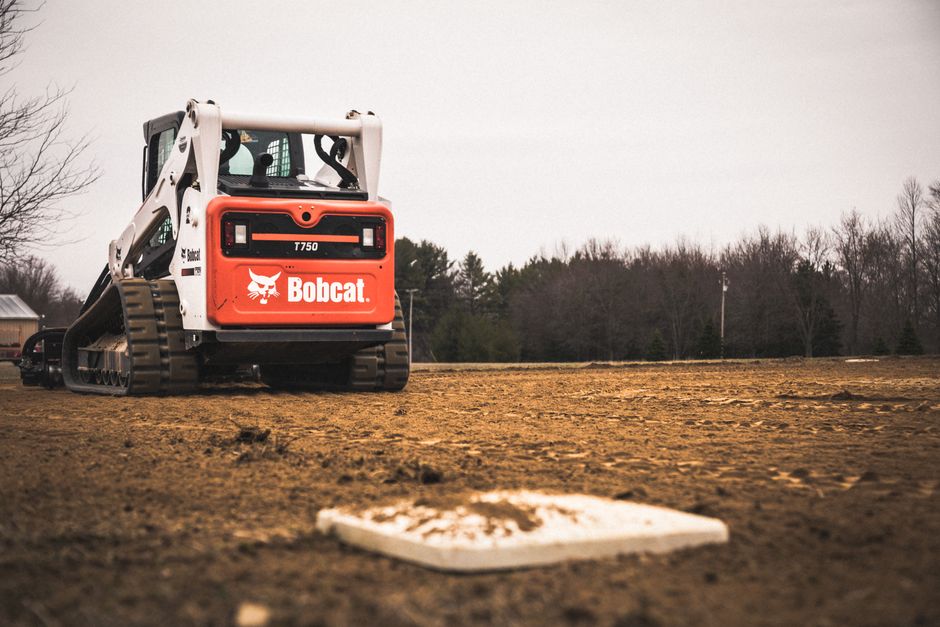
Choose a wheeled skid steer for firm ground, pavement, and jobs where travel speed and lower operating costs matter most. Choose a compact track loader for mud, soft soil, or established lawns where traction, flotation, and less ground disturbance matter more. Before buying, compare the track loader’s higher purchase price and undercarriage upkeep with the cost of tires, expected utilization, attachments, and local dealer support.
Which is better for muddy ground, a skid steer or a track loader?
A compact track loader is generally better for muddy ground because its tracks spread machine weight across more surface area, improving flotation and reducing ground pressure. Bobcat gives a typical track-loader ground pressure of 4–6 psi; that can help it work where wheeled machines struggle.
The trade-off is on firm ground. Caterpillar says wheeled loaders generally have lower operating costs and suit firm conditions where higher travel speed matters. It also reports that, for comparable models, a track machine typically has about 30% more tipping-load capacity, attributing the difference to its heavier undercarriage and added stability. That capacity can matter on lifting-focused jobs, but it does not make tracks the automatic choice for every site.
Match the machine to the ground you will cross most often, not just the worst patch on the property. Landscaping on established lawns, sandy soil, or muddy sites points toward tracks. Work on hard-surfaced yards, pavement, and firm construction ground points toward wheels. For snow, a 2014 Equipment World article says a wheeled skid steer’s higher ground speed can suit blade plowing, while track traction may favor snowblowing when speed matters less. Those are job-fit observations, not guarantees for every machine or setup.
Are compact track loaders worth the extra cost?
Compact track loaders are worth the extra cost when better flotation, traction, reduced ground disturbance, or lifting capacity improves the work enough to justify their purchase and upkeep. If most hours are on pavement or firm ground, a wheeled skid steer is usually the more cost-conscious starting point.
The price premium is not a current quote. Equipment World’s 2014 article estimated a typical track-loader premium of about 30%, or roughly $10,000–$15,000 at that time. Use that only as historical context; prices depend on the specific machine and market, and the cited sources do not establish today’s purchase prices.
Build the comparison around your actual hours and jobs. List the surfaces you expect to work on, the attachments you need, and how often the machine will be productive. Bobcat recommends considering productivity, utilization, and maintenance alongside the initial price. A track loader may make sense if its traction lets you complete relevant jobs; a machine that sits idle still carries ownership costs.
Underfoot conditions also change the maintenance equation. John Deere says asphalt and concrete wear rubber tracks faster, and advises daily inspection and cleaning plus correct track tension to limit premature wear. Over-tensioning can increase component wear, reduce available horsepower, and use more fuel; under-tensioning can also contribute to track failure. Construction Equipment reports a recommendation to check tension weekly or every 50 operating hours. Ask local dealers about machine availability, parts, service, and the attachments you plan to use before treating a purchase price as the whole budget.
| Option | Who it suits | Cost information | Key limitation |
|---|---|---|---|
| Wheeled skid steer | Firm ground, paved surfaces, hard-surfaced yards, and jobs where higher travel speed matters | Generally lower operating costs than track loaders; current purchase price not published in the cited sources | May struggle in muddy or soft ground where tracks provide more traction and flotation |
| Compact track loader | Muddy, soft, or sandy ground; established lawns; work that benefits from traction, flotation, or lifting capacity | Higher initial purchase price; 2014 historical estimate of about 30% or $10,000–$15,000 more than a comparable skid steer; current prices not published | Tracks wear faster on asphalt and concrete; undercarriage care is important |
How much does it cost to replace compact track loader tracks?
The cited sources do not publish a universal compact track loader track-replacement price, so a reliable answer requires a quote for the machine and its condition. Do not turn the historical purchase-price premium into a track-replacement estimate: those are different costs.
Replacement timing also varies. Construction Equipment says the decision depends on wear, damage, undercarriage condition, and operating conditions, rather than a universal service-life figure. Inspect for cuts, tears, exposed cable, and wear, and remove dried mud, clay, or frozen debris. Correct track tension matters because both improper adjustment and neglected cleaning can contribute to premature wear.
When comparing dealer quotes, ask what is included: tracks alone or related undercarriage work, labor, and inspection. The sources do not give standard prices for those items, so request a written estimate for the specific machine. For an ownership comparison, separate routine maintenance from replacement and use your expected operating hours; the 2020 cost-control article’s hourly-cost example uses dated fuel, wage, and financing assumptions, so those inputs should not be treated as current rates.
Frequently Asked Questions
Will a wheeled skid steer damage my lawn?
It can disturb turf, especially when turning, because tires concentrate weight over a smaller contact area than tracks. A compact track loader’s lower ground pressure can reduce disturbance, but Bobcat cautions that sharp turns can still damage turf; use gradual turns and consider the lawn’s condition.
Which machine is cheaper to maintain on gravel and pavement?
A wheeled skid steer generally has the cost advantage on firm surfaces. Caterpillar says wheeled machines typically have lower operating costs, and John Deere notes that asphalt and concrete accelerate rubber-track wear. Actual maintenance costs depend on the machine, use, and upkeep.
Conclusion: Make the surface do the deciding
Start with the ground that will account for most of your work. If that means firm surfaces and pavement, price a wheeled skid steer first; if it means mud, soft soil, or sensitive turf, compare track loaders and include their higher purchase cost and undercarriage care. Then check whether the machine’s lifting capacity, speed, and attachment compatibility fit the jobs you actually expect.
This week, write down your typical surfaces, planned hours, attachments, and the support available from local dealers. Take that list to a dealer and request comparable quotes, including maintenance and track or tire costs for your conditions. That turns a broad machine debate into a purchase decision grounded in your workload.
Sources
Related guides

Which 2027 Cars Have Been Announced, and Should You Wait?
Track 2027 car announcements, verify prices and specs, and compare waiting for a new model with buying a discounted 2026 vehicle.
How Do I Remove Interior Windshield Haze and Streaks?
Remove interior windshield haze with the two-towel method, the right cleaner, and a clear plan for recurring greasy film.

How Do I Finance a Used Car Without Letting the EMI Hide the Cost?
A practical guide to used-car EMI, down payments, loan terms, interest, debt, and the ownership costs that belong in your budget.
How to Buy Four Rims That Fit Your Car Correctly
A fitment-first guide to buying four rims: confirm tire size, bolt pattern, offset, center bore, load rating, and clearance before ordering.