
How to Verify a Used Engine Before You Buy
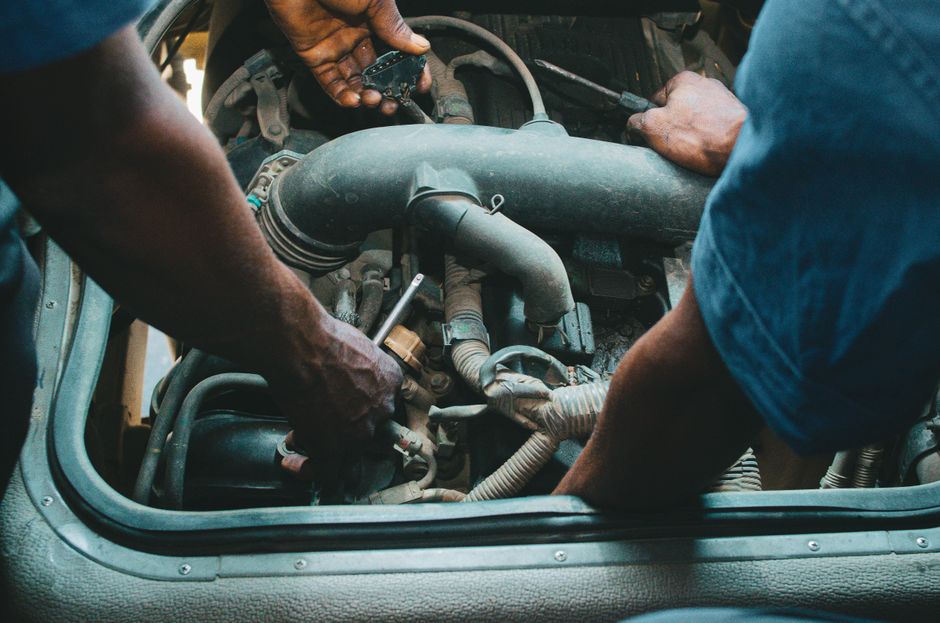
Before buying a used engine, match the vehicle’s VIN and engine code to the seller’s interchange listing, then confirm fitment with the manufacturer or a qualified parts supplier. Check the donor vehicle’s history and odometer records, request the recycler’s engine-specific mileage and inspection records, and get warranty terms and a written installed-cost estimate—including labor, shipping, core charges, and exclusions.
How do I know a used engine will fit my car?
You know a used engine is a fit only after the vehicle identification and the seller’s interchange details agree—and a qualified source confirms the match. A similar model name or year is a lead, not a fitment guarantee.
According to the National Highway Traffic Safety Administration, a VIN is a 17-character number that encodes specific information about a vehicle. Its public decoder identifies manufacturer-reported details, including build plant and country. Use that result to establish the vehicle’s identity, then ask the manufacturer or a qualified parts supplier to verify the engine code and interchange application. The VIN decoder alone does not guarantee an engine will fit.
Give the seller the full VIN and ask for the engine’s interchange description, stock number, and a written list of included components. The Automotive Recyclers Association and United Recyclers Group preparation standards say to confirm that the interchange description matches the work order and that stock numbers and included components are correct. Ask specifically whether a turbocharger or supercharger is included; an engine assembly does not automatically include accessories such as a starter, alternator, or power-steering pump.
Use this fitment checklist before paying:
- Compare the VIN-decoded vehicle details with the registration and repair records.
- Confirm the engine code and interchange application with the vehicle manufacturer or a qualified parts supplier.
- Ask whether year-to-year variations change the engine or required components; have the supplier verify the exact application rather than assuming adjacent model years interchange.
- Match the seller’s work-order description and stock number to the engine being shipped.
- Get the included and excluded components in writing.
Should I match the engine by VIN, engine code, or model year?
Use all three as cross-checks, but treat the engine code and verified interchange application as the decisive fitment details. The VIN identifies the vehicle; the model year narrows the search; the engine code helps distinguish configurations that may not be interchangeable.
Start with the VIN through NHTSA’s decoder, then provide that VIN and the engine code to the supplier. Ask the supplier to confirm compatibility for the specific year and configuration in writing. If the donor engine came from a different year, request confirmation that the interchange listing covers that year-to-year variation and identify any components that must transfer from the original engine.
Keep the request precise: “Please confirm in writing that stock number [number] matches my VIN and engine code, and list every included component and any required transfer parts.” This gives the seller a clear question and gives you a record to compare against the shipment. If the seller cannot confirm the interchange description, pause before buying.
How can I verify the mileage on a salvage-yard engine?
Use vehicle-history records to check the donor vehicle’s reported odometer history, then ask the recycler for records tied to the specific engine. A donor vehicle’s odometer reading is evidence about that vehicle, not automatic proof of the engine’s mileage—especially if the engine was replaced or transferred.
The U.S. Department of Justice’s National Motor Vehicle Title Information System (NMVTIS) reports title and last title date, brand history, odometer readings, total-loss history, and salvage history. Odometer entries can expose inconsistencies in the donor’s reported mileage. States, insurers, junk yards, salvage yards, and auto recyclers are among the sources required by federal law to report regularly to NMVTIS.
NMVTIS is intentionally concise; a clean report does not provide a complete maintenance or repair history. The DOJ recommends using the report alongside an independent inspection and other available history information. Ask the recycler for inventory or dismantling records that connect the engine to its donor vehicle and support the claimed mileage. If those records are unavailable, describe the mileage as unverified rather than treating the donor’s odometer as the engine’s confirmed mileage.
Condition needs its own evidence. The ARA and URG preparation standards call for rotating the engine two complete revolutions, following manufacturer recommendations, checking cylinder heads for gasket leaks, and inspecting the block and mounting points for cracks or breaks. Request the inspection results and ask the installer to review the engine before installation. A claimed mileage figure cannot substitute for these checks.
Compare the installed cost before choosing
Compare complete options, not a used engine’s advertised price against a rebuild quote that includes labor. ConsumerAffairs reports a broad estimated total engine-replacement cost of $5,000–$10,000, while citing used-engine prices of $600–$6,000 and replacement labor of $1,200–$2,200, depending on model and complexity. It also reports a full-rebuild range of $2,500–$4,000. These are reported ranges, not a quote for your vehicle.
| Option | Who it suits | Cost reported in sources | Key limitation |
|---|---|---|---|
| Used engine replacement | Buyers whose vehicle has a verified compatible engine available | Used engine: $600–$6,000; labor: $1,200–$2,200; broad total replacement estimate: $5,000–$10,000 | Actual total varies by vehicle and engine; reliability is seldom guaranteed for salvage parts |
| Rebuild current engine | Buyers comparing repair of their existing engine with replacement | Reported full-rebuild range: $2,500–$4,000 | Actual quote depends on diagnosis, parts, and shop labor; sources do not publish a universal total |
| Replace the vehicle | not published | not published | not published |
ConsumerAffairs emphasizes that vehicle and engine type substantially change price. Ask the shop for a signed written estimate identifying the repair condition, parts needed, and anticipated labor charge, as the Federal Trade Commission advises. Add shipping, core charges, fluids, accessories, and any required programming to the comparison; the available sources do not publish standard amounts for those line items, so get them from the seller and installer.
Ask for two written totals: one for the used engine installed and one for rebuilding the current engine. Use the same vehicle, diagnosis, parts assumptions, and labor scope in both requests. Then check the warranty alongside the price: the FTC says coverage may be limited by time, mileage, deductibles, approved repair facilities, and claim procedures, and that many parts warranties exclude installation labor.
Frequently Asked Questions
What should a used engine warranty cover?
Get the covered parts, duration or mileage limit, deductible, approved repair facilities, claim process, and exclusions in writing. The FTC says repair warranties are not standardized, so compare the actual terms rather than relying on a general warranty label.
Do used engine warranties include labor if the replacement fails?
Not necessarily. The FTC notes that many parts warranties cover replacement parts but not installation labor; ask the seller and installer to state labor coverage in writing before purchase.
Is a used engine cheaper than rebuilding my current one?
It depends on the vehicle, engine, diagnosis, parts, and labor. ConsumerAffairs reports a full-rebuild range of $2,500–$4,000 and used-engine prices of $600–$6,000, but those figures do not settle your installed total; get comparable written quotes for both options.
Before you commit, put the VIN, engine code, interchange confirmation, donor-history evidence, inspection results, included components, warranty terms, and installed estimate side by side. The next useful step is simple: send the seller and installer the same written checklist and compare their answers line by line.
Sources
- National Highway Traffic Safety Administration, VIN Decoder
- National Motor Vehicle Title Information System, U.S. Department of Justice
- Automotive Recyclers Association and United Recyclers Group, Parts Preparation and Shipping Standards
- Federal Trade Commission, Auto Repair Basics
- ConsumerAffairs, How Much Does It Cost to Replace an Engine?
Related guides
Skid Steer vs. Track Loader: Choose for Your Terrain and Budget
Compare skid steers and compact track loaders by terrain, speed, purchase cost, and upkeep to choose the right machine for your jobs.
Which 2027 Cars Have Been Announced, and Should You Wait?
Track 2027 car announcements, verify prices and specs, and compare waiting for a new model with buying a discounted 2026 vehicle.
How Do I Remove Interior Windshield Haze and Streaks?
Remove interior windshield haze with the two-towel method, the right cleaner, and a clear plan for recurring greasy film.

How Do I Finance a Used Car Without Letting the EMI Hide the Cost?
A practical guide to used-car EMI, down payments, loan terms, interest, debt, and the ownership costs that belong in your budget.