
How Do I Get a List Restaurants Near My Location?

To get a useful list restaurants near my location, search in a map app with location access on, then narrow results by cuisine, distance, price, and open-now status. Compare map listings with recent reviews on more than one platform, check practical details such as wait times and parking, and confirm hours or dietary needs directly with the restaurant before you leave.
How do I get a list of restaurants near my current location?
Start with a map app that can use your current location. Enter the cuisine or meal you want, scan the nearby results, and compare them by distance and price before opening individual listings. A map is usually the quickest way to establish what is nearby; review platforms add more detail about diners’ experiences, while reservation services can help when you need to check booking options.
If location access is unavailable, search by city, neighborhood, or ZIP code instead. This gives you a usable starting area, but be specific: a broad city search can mix restaurants that are not convenient for the trip you have in mind. For another way to think about an area-based search, see How Do I List Restaurants in This Area?
Use a simple sequence so the list gets narrower with each move:
- Set the search area. Allow location access or enter a city or ZIP code.
- Choose the cuisine. Search for a type of food or a specific dish if you have one in mind.
- Set a price range and distance. Compare options you can reach and afford, rather than sorting by rating alone.
- Apply open-now or reservation filters. Treat the results as leads to verify, not a guarantee that a table or kitchen is available.
- Check the short list. Review current comments, listed hours, wait information, and practical access details.
Use each service for the job it handles best. Map apps combine location, addresses, hours, and sometimes crowd information in one view. Restaurant-review platforms are useful for comparing specific feedback. Reservation services are most relevant when a booking matters. No single result page answers every decision, so a short cross-check can prevent a long detour.
How can I find nearby restaurants that are open right now?
Use an open-now filter to narrow the list, then verify the hours on the restaurant’s listing and, when timing matters, contact the restaurant directly. Listings can lag behind schedule changes, and a result marked open does not confirm that the kitchen is still serving or that the restaurant can seat you.
Google Maps says a restaurant listing can show its address, today’s hours, and weekly hours. Its Popular times information reflects average busyness over the last few months, while live visit data indicates how active a place is at that moment. The listing’s “Plan your visit” section can also show estimated wait time and average visit duration. These features help compare likely crowd levels, but they are estimates—not a promise of a specific wait or current service.
For a time-sensitive visit, check the listing immediately before leaving and call if the trip depends on the answer. Ask a focused question: “Are you serving food now, and are you taking walk-ins?” That confirms the detail you need instead of relying on an old search result. If a wait estimate appears, use it to compare options, then confirm directly when you cannot afford a wasted trip.
How do I compare restaurants by cuisine, distance, and price?
Compare the same few factors across a short list instead of letting one high rating make the decision. Cuisine and distance establish fit; price sets a practical boundary; recent, specific feedback helps you judge whether the listing reflects a worthwhile option today.
| What to compare | Where it helps | What to verify |
|---|---|---|
| Cuisine and menu | Search filters and restaurant listings | Whether the dishes you want are currently offered |
| Distance and address | Map app | Travel route and access at your destination |
| Price | Listing details and menus | Whether the available menu fits your budget |
| Recent diner feedback | Review platforms | Patterns across recent, detailed comments |
| Hours and wait | Map listing or reservation service | Current service and availability with the restaurant |
Review freshness matters. BrightLocal’s 2024 survey of 1,141 U.S. consumers found that 47% considered sorting reviews by newest highly useful; 27% said reviews as recent as two weeks affected their decisions. The survey also found 36% used two review sites when assessing a local business, and 41% used three or more. The practical check is straightforward: sort by newest, read specific comments, and see whether the same strengths or problems recur across sources.
An average star score is a summary, not an explanation. A string of current comments about a repeated issue can matter more to your decision than an older rating that does not describe the present experience. The Federal Trade Commission’s rule addresses fake or false reviews, certain undisclosed insider reviews, review suppression, and company-controlled review sites presented as independent. That is a reason to watch for suspicious patterns and compare independent sources—not to assume every review is unreliable.
Frequently Asked Questions
How can I tell whether a restaurant’s reviews are recent and reliable?
Sort reviews by newest and look for detailed comments that describe specific dishes, service, or conditions. Compare repeated patterns across multiple review sites instead of relying on an average star rating or one unusually positive or negative post.
How do I find a nearby restaurant that accommodates my dietary needs?
Check the menu in advance, then contact the restaurant and explain the specific dietary need or allergy. Ask about ingredients, shared equipment, and how the kitchen prevents cross-contact; for an allergy, speak with a manager and confirm the preparation plan directly.
The CDC reports that about one in three people with food allergies have had a reaction in a restaurant. It recommends asking about ingredient lists and whether staff can use separate equipment or thoroughly clean and sanitize surfaces and equipment. The American Academy of Allergy, Asthma & Immunology also advises communicating directly with restaurant staff: shared grills, fryers, utensils, or surfaces can create cross-contact, and packaged-food allergen-labeling requirements do not apply universally to unpackaged restaurant foods. For a serious allergy, ask the restaurant ahead of time and discuss preparation with a manager.
Should I check parking, wait times, or call before I go?
Yes. Check parking and accessibility details, and use any available wait estimate as a planning clue rather than a guarantee. Call to confirm current hours, availability, or a dietary accommodation when the detail could change whether the visit works for you.
Sources
Related guides
How Do I List Restaurants in This Area?
Use a local directory to shortlist restaurants, then verify current hours, menus, prices, reviews, dietary needs, parking, and access.

How can I find and verify a house for rent near me?
A practical checklist for checking rental listings, verifying a landlord or agent, and protecting your money before you pay.
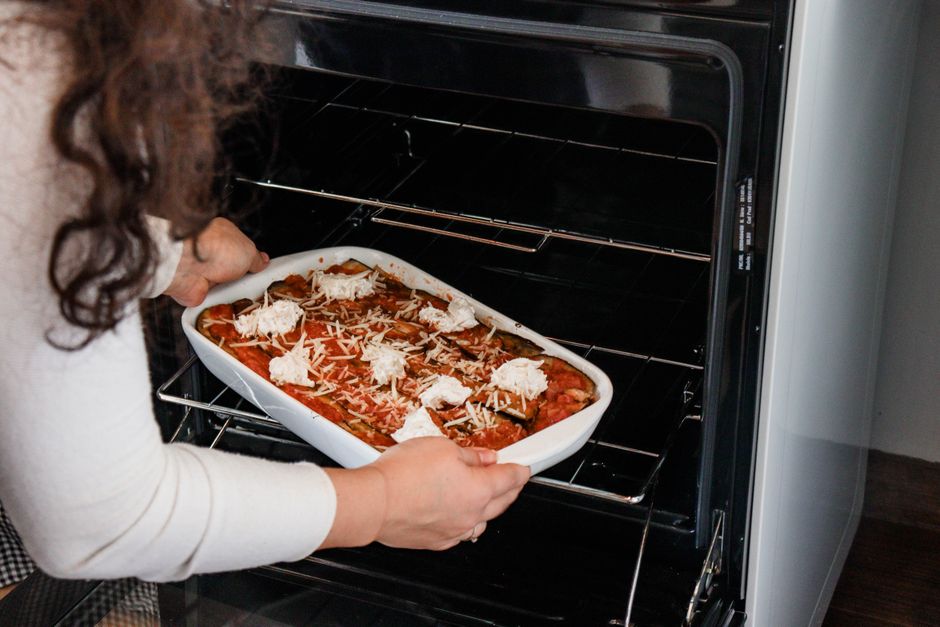
How Can I Make a Casserole Ahead of Time Without It Getting Watery or Soggy?
Prevent watery fillings, mushy starches, and soggy toppings when assembling casseroles ahead of time.
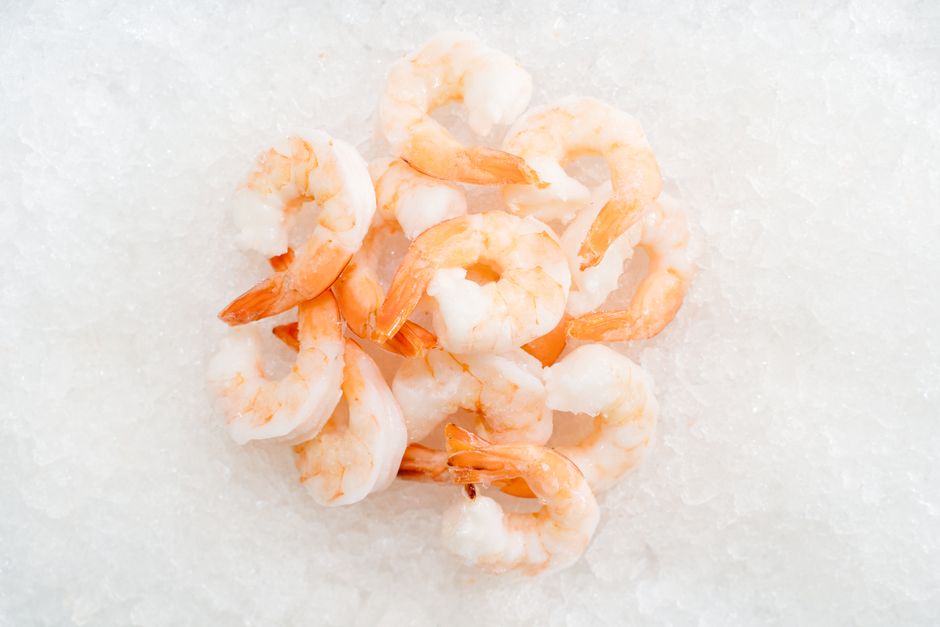
How Do I Cook Frozen Shrimp So It Browns Instead of Turning Watery or Rubbery?
A practical guide to choosing, thawing, drying, seasoning, and cooking frozen shrimp for better browning and tender results.